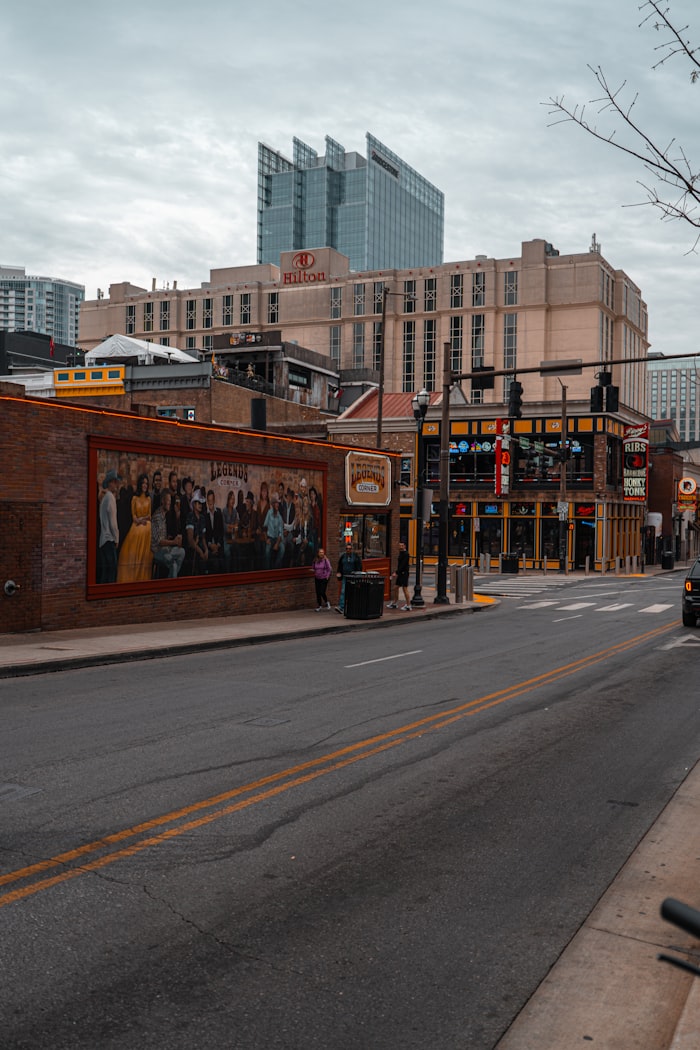
Germantown is the quiet money in Nashville short-term rentals. Rates run $180 to $420 a night at 62% to 78% occupancy, a step below the party neighborhoods, but the guests are couples, food travelers, and families rather than groups. That changes the whole operating profile: gentler wear, stronger reviews, more repeat bookings, and revenue that holds steady year to year instead of swinging with the festival calendar.
This is the full picture: revenue by property size, how rates step down as you move north from the core, the four demand streams behind the calendar, and an honest net breakdown. We manage Germantown properties, so these are working numbers rather than a market report.
The Overview
What a Germantown Airbnb actually earns
Germantown is Nashville’s original historic district: brick sidewalks, Victorian storefronts, and the city’s most serious food scene. Guests who want Nashville without the Broadway noise book here, and they pay well for it. With Nashville drawing 16.83 million visitors in 2023, the calm neighborhoods within walking distance of downtown capture an outsized share of repeat and older-demographic travelers.
A well-run two bedroom generates an estimated $58,300 a year, a 7.84% gross yield at typical acquisition prices. You can see how that compares across the city in our guide to the best areas for Airbnb in Nashville.
The guest profile is the thing to understand before you compare yields. Germantown attracts couples, food travelers, and families rather than party groups, so occupancy runs a step below downtown, and so do turnover costs, damage, and neighbor complaints. The revenue arrives with far less operational drama.
Sunday through Thursday is where this neighborhood wins
Dinner-driven trips fill the weekday nights that party-focused neighborhoods leave empty. If you are comparing Germantown against a higher-rate area, compare midweek occupancy specifically rather than headline nightly rate, because that is where the annual difference actually shows up.
By Property Size
Germantown revenue estimates by property size
These ranges assume year-round availability and dynamic pricing. A two bedroom that captures CMA Fest season, every Titans home date, and the stadium concert run lands in the top half of its range. A statically priced calendar sits at the bottom of it.
| Property size | Nightly rate | Occupancy | Estimated annual revenue |
|---|---|---|---|
| Studio / 1BR | $145 to $200 | 64 to 74% | $32,000 to $46,000 |
| 2BR sweet spot | $220 to $320 | 64 to 76% | $48,000 to $66,000 |
| 3BR | $280 to $400 | 62 to 72% | $65,000 to $88,000 |
| 4BR and up | $350 to $420 and above | 60 to 70% | $80,000 to $105,000 |
Block by Block
Rates step down as you move north
The historic core prices at a clear premium, and it fades block by block heading north. Entry prices move the same way, so the value question is whether the rate gap is wider than the price gap.
| Sub-zone | Nightly rate | Occupancy | Strong peak month |
|---|---|---|---|
| Germantown Core | $250 to $420 | 68 to 78% | about $7,200 |
| Salemtown | $180 to $320 | 62 to 74% | about $5,800 |
| Hope Gardens and Buena Vista | $180 to $300 | 60 to 72% | about $5,400 |
Hope Gardens and Buena Vista are the value entry point, riding the same demand calendar as the core at a materially lower buy-in. Salemtown sits in between and tends to be the compromise most investors actually close on.
Demand Stack
Why Germantown bookings stay steady
Sports, food, a daily market, and the festival season. Four different reasons to book, which is why this neighborhood does not live or die by June.
Nissan Stadium events
Titans Sundays, Nashville SC matches, and stadium concerts sit minutes from Germantown. Every home date fills the neighborhood’s calendars at premium weekend rates.
- Open fall weekends the moment the NFL schedule drops
- Concert announcements move rates immediately
- Walkability to the stadium is the selling point
Nashville Farmers Market
The year-round market anchors the neighborhood’s southern edge and keeps weekday and off-season foot traffic alive. Guests routinely cite it as the reason they chose Germantown over a downtown hotel.
- Drives weekday and shoulder-season bookings
- Appeals to longer, slower-paced stays
- Worth featuring in the listing headline
Culinary tourism
Bastion, Butchertown Hall, and Germantown Cafe make this the city’s food destination. Guests book specifically to eat their way through the neighborhood, and dinner trips fill Sunday through Thursday.
- Midweek occupancy above the party-district average
- Couples and small groups, less wear on the property
- Restaurant guides in the welcome book pay off in reviews
CMA Fest season, April to June
Demand ramps from April and peaks with CMA Fest in June, the highest-earning stretch of the year. Germantown captures the festival guests who want quiet nights after loud days.
- Open June dates by the preceding fall
- Set peak rates early and hold them
- Quiet is the product here, market it that way
Net Returns
What you actually keep after costs
Here is the arithmetic on a two bedroom grossing $58,300, using a 22% management fee.
| Line item | Annual amount |
|---|---|
| Gross short-term rental revenue | $58,300 |
| Management fee at 22% | minus $12,826 |
| Supplies and restocking | minus $1,800 |
| Maintenance and repairs | minus $2,400 |
| Permit, insurance and utilities | minus $3,300 |
| Net operating income | about $37,974 |
A 7.84% gross yield becomes roughly 5.1% net
Against about 3.5% net for a long-term rental on the same property. Germantown is not the flashiest yield in Nashville, East Nashville’s three bedrooms take that title, but the demand base is spread across sports, food, and festivals, so the revenue is unusually stable from year to year. Rerun both figures with your own purchase price and debt.
Management
Self-managed versus managed, on the same property
Germantown rewards calendar discipline more than most neighborhoods, because so much of the annual number comes from midweek nights and specific event dates rather than a handful of obvious peak weekends.
Where the revenue leaks
- Titans home dates and concert nights priced as ordinary weekends
- Midweek food-tourism demand left at the base rate
- Gap nights that never get filled or discounted
- Slow replies, which cost search position
- A listing that leads on square footage instead of the neighborhood
Self-managed Germantown properties typically run 15% to 25% below comparable managed ones.
Where the fee earns itself back
- Calendars priced against every Titans date, concert, and festival
- Midweek strategy built for couples and food travelers
- Fast response times and higher review scores
- Multi-channel exposure and ongoing listing work
- Permit renewals and tax filings handled
The gain usually exceeds the fee, which is the only test that matters.
Questions
Frequently asked questions
How much can I earn from an Airbnb in Germantown?
Estimated gross revenue runs about $32,000 to $46,000 for a studio or one bedroom, $48,000 to $66,000 for a two bedroom, $65,000 to $88,000 for a three bedroom, and $80,000 to $105,000 for four bedrooms and up. A well-run two bedroom averages around $58,300 a year, which works out to roughly a 7.84% gross yield at typical acquisition prices. Those ranges assume year-round availability, dynamic pricing, and a legally permitted property.
Which part of Germantown earns the most?
The Germantown Core commands $250 to $420 a night at 68% to 78% occupancy, with peak months around $7,200. Salemtown runs $180 to $320 at 62% to 74%, roughly $5,800 in a strong month. Hope Gardens and Buena Vista trade at $180 to $300 and 60% to 72%, around $5,400, and are the value entry point riding the same demand calendar.
How does Germantown compare with East Nashville or The Gulch?
Germantown yields less on paper than East Nashville three bedrooms and far less per unit than The Gulch, but the guest mix is couples, food travelers, and families rather than groups. That means lower turnover costs, gentler wear, stronger reviews, and steadier year-over-year revenue. If you want the highest headline number, look elsewhere. If you want the least operational drama for a solid yield, this is the neighborhood.
Should I self-manage or use a property manager in Germantown?
Professional management typically adds 15% to 25% to gross Germantown revenue through dynamic pricing, better listing positioning, and faster guest response, and the gain usually exceeds the fee. Germantown specifically rewards calendar work, because much of the annual number comes from midweek nights and individual event dates rather than a few obvious peak weekends.
When should I open my Germantown calendar for CMA Fest and Titans season?
Open June dates by the preceding fall, since CMA Fest guests book three to nine months out, and set peak rates immediately rather than discounting into the window. Then open fall weekends as soon as the NFL schedule drops in spring, because Titans home dates book quickly and are the neighborhood’s second earnings engine.
Comparing neighborhoods before you buy? The best areas for Airbnb in Nashville ranks the whole city. If permit eligibility is the open question, start with is my Nashville property right for Airbnb? and the Nashville compliance guide.
Sources and currency: rate, occupancy, sub-zone and revenue figures are Venturebnb estimates for Germantown built from our managed portfolio and comparable listings, reviewed August 2026. They assume year-round availability, dynamic pricing, and a legally permitted property. The 16.83 million visitor figure is Nashville’s 2023 visitation total. Net and yield examples are illustrative rather than a forecast for your address.