Bridger Canyon Airbnb Investment Guide
Sixteen miles from downtown to 2,000+ acres of cold smoke at Bridger Bowl. Mountain homes here run a genuine two-season calendar — with Bozeman’s dining scene still twenty minutes away.
Real Owners. Real Numbers.
Anyone can promise you “more revenue.” So we won’t. Instead, watch two Venturebnb owners explain — on camera, in their own words — exactly what changed when Venturebnb took over their properties. It’s the same playbook we run in Bozeman.
Two unscripted interviews · filmed with real clients
Joe and Ben both started exactly where you are now — with the same free revenue audit. Ten minutes. Your address, your Bozeman comps, your number. Then you decide.
Get Your Free Revenue AuditFree · No obligation · Louisville-local team
Why Bridger Canyon Owns Bozeman’s Ski Season
Bridger Canyon Road climbs out of northeast Bozeman and reaches Bridger Bowl in sixteen miles — the community-owned, famously uncrowded ski area whose 2,000-plus acres and roughly 350 inches of light, dry “cold smoke” powder built Bozeman’s ski reputation. In winter, canyon homes are the closest beds to the lifts, and they price accordingly.
Rates of roughly $300 to $450 lead the Bozeman-side markets in winter, with powder-week bookings behaving like event nights in a city market. Summer flips the canyon into a different product — lodgepole quiet, Fairy Lake and Sacagawea Peak trailheads, and stargazing skies — that holds respectable warm-season occupancy for what looks like a ski asset on paper.
Jurisdiction note: the canyon is unincorporated Gallatin County, but it sits inside the Bridger Canyon Zoning District — one of the county’s oldest planning districts, with its own land-use rules that predate the STR era. City permits don’t apply, but parcel-level due diligence absolutely does; we verify district rules before we onboard any canyon property.
The Three Top Airbnb Zones in Bridger Canyon
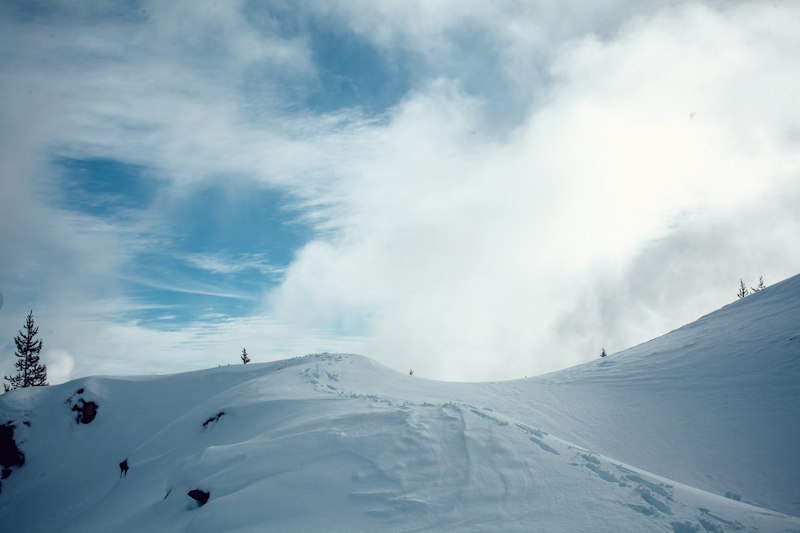 Ski Access
Homes and cabins within minutes of the Bridger Bowl access road. Powder mornings sell these properties: guests pay a decisive premium to be first in the Bridger lot, and ski-week bookings anchor the winter calendar months in advance.
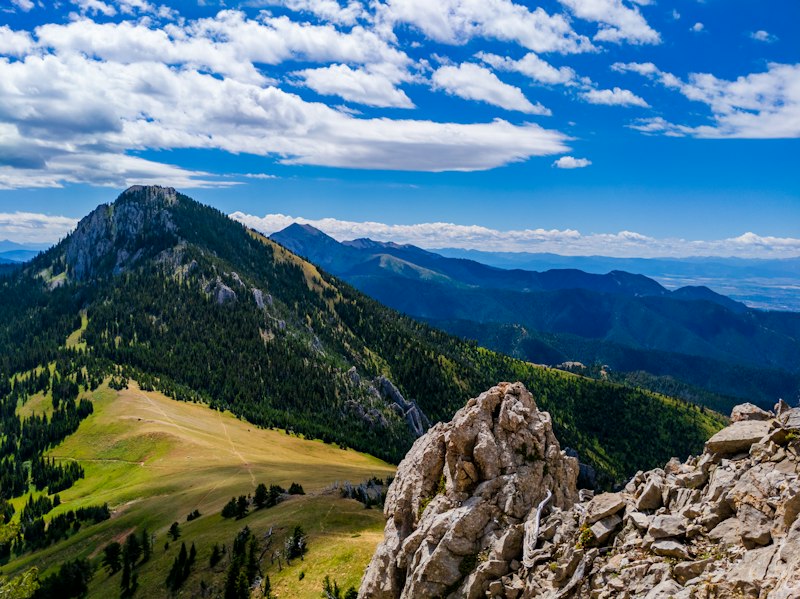 Canyon Corridor
The mountain homes strung along the canyon between town and the ski area — big view decks, timber builds, and hot tubs under the Bridgers. Winter is the headline, but summer trailhead traffic to Fairy Lake and the ridge keeps weekends productive.
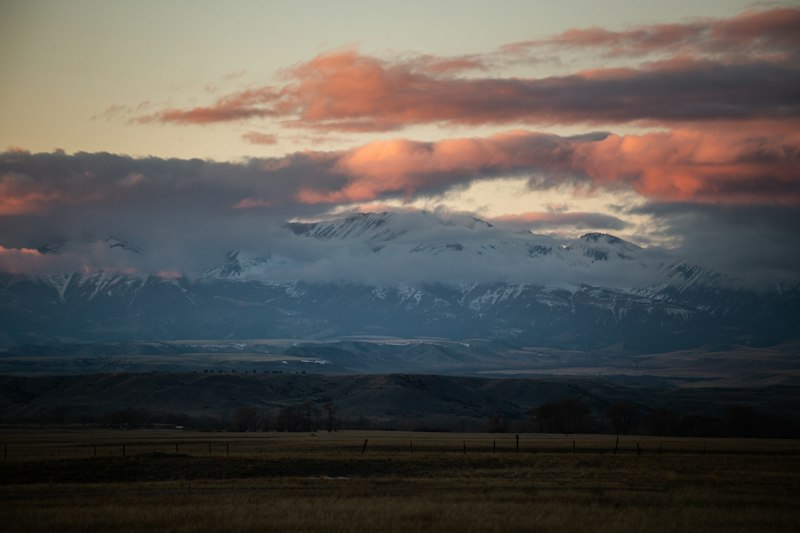 Foothills
The foothill benches where the canyon meets Bozeman’s northeast edge: valley-view homes ten minutes from Main Street dining with direct trail access. The hybrid pick for guests who want mountain atmosphere without giving up town convenience.
Bridger Canyon STR Performance by Zone
Data anchored to AirDNA and AirROI Bozeman-area benchmarks (2026). Zone-level figures are Venturebnb estimates; individual property results vary by unit size, configuration, and management quality. Comparing areas? See the full Best Areas for Airbnb in Bozeman guide.
| Zone | Avg ADR | Occupancy | Est. Monthly Revenue | Demand Driver |
|---|---|---|---|---|
| Bridger Bowl Base Area | $330–$450 | 52–60% | $5,000–$6,400 | Bridger Bowl, powder weeks |
| Bridger Canyon Road Corridor | $300–$420 | 50–58% | $4,600–$5,800 | Mountain homes, view decks |
| Sypes Canyon & Story Hills | $300–$410 | 52–60% | $4,600–$5,700 | Foothill views, town access |
| Bozeman Market Average | $260–$305 | 55–65% | $3,600–$4,500 | Mixed city-wide |
Find Your Fit in Bridger Canyon
Bridger Canyon suits a range of investor objectives. Here is how different strategies map to the area.
The High-ADR Maximiser
Focused on top-line revenue per night. Bridger Bowl Base Area is the target: the strongest nightly rates in Bridger Canyon, peak-season surge pricing, and guests who expect (and pay for) a premium experience.
The Steady-Yield Seeker
Wants consistent occupancy and predictable cash flow over cyclical peaks. Sypes Canyon & Story Hills Foothills delivers the steadiest booking calendar in Bridger Canyon, smoothing the seasonal swings that define Montana markets.
The Value-Add Investor
Targeting below-market entry prices with upside via renovation and management optimisation. Bridger Canyon Road Corridor offers the most accessible acquisition costs in Bridger Canyon with clear room to push revenue.
The Ski-Season Specialist
Builds the year around winter. Bridger Bowl Base Area captures Bozeman’s ski demand — Big Sky and Bridger Bowl money — with powder-week pricing that behaves like event nights in a city market.
The House-Hacker
Lives in the property and rents legally under Bozeman’s primary-residence rules — rooms (Type 1) or an ADU (Type 2B). Sypes Canyon foothills (county rules — not required) is where that strategy earns most per square foot.
The Portfolio Diversifier
Adding a Mountain-West asset to an existing STR portfolio. Bridger Canyon Road Corridor pairs durable two-season demand with the supply constraints that protect long-run rates in the Bozeman market.
How We Maximise Bridger Canyon Revenue
Three integrated systems, built for Bozeman’s double-peaked, compliance-heavy STR calendar.
Season-Driven Dynamic Pricing
Our pricing engine tracks the whole Bozeman demand stack in real time — Big Sky and Bridger Bowl snow reports, Yellowstone season openings, MSU’s event calendar, and BZN flight loads — and updates rates daily, sometimes multiple times per day. Powder weeks, graduation, and summer park season each behave differently; most self-managed owners leave 20 to 30 percent of peak-season revenue on the table by adjusting too slowly.
Bozeman-Local Operations Team
Every check-in, maintenance call, and 2 a.m. hot-tub question is handled by a team physically based in Bozeman. We know which plow contractor actually shows up before a powder-day checkout, which cleaning crews can turn a canyon home between back-to-back ski weeks, and how to run properties through minus-twenty cold snaps without frozen-pipe surprises.
Compliance-First Listing Management
In the tightest regulatory market in the Mountain West, compliance is a revenue strategy. We manage the full stack — city permit renewals and fire-inspection cycles, primary-residence certifications, state and county registrations, resort-tax filings in Big Sky, and the permit numbers your listings are legally required to display — so your rental never risks the lapsed-permit trap that permanently ends grandfathered operations.
The Numbers Behind Bridger Canyon
Key data points from primary industry sources underpinning the Bridger Canyon STR investment case.
Acres of Cold Smoke at Bridger Bowl
Bridger Bowl, Bozeman’s community-owned ski area 16 miles from downtown, spans 2,000+ acres and averages roughly 350 inches of the light, dry snow locals call cold smoke.
Record BZN Airport Passengers
Bozeman Yellowstone International Airport served a record 2,809,419 passengers in 2025, up 6.3% year-over-year — the busiest airport in Montana and the front door for virtually every Big Sky and Yellowstone trip.
Total Lodging Tax — and 0% Sales Tax
Montana charges a combined 8% state lodging tax on stays under 30 nights and no general sales tax. Guests’ all-in price stays lower than in most U.S. markets, which supports stronger headline nightly rates.
One of America’s Fastest-Growing Small Metros
Bozeman has ranked among the fastest-growing micropolitan and small-metro areas in the United States for most of the last decade, compounding housing demand, visitor demand, and long-term appreciation.
Yellowstone Visitors in 2025
Yellowstone National Park logged 4,762,988 visits in 2025, its second-highest year ever. Bozeman is the largest city serving the park’s north and west entrances, and summer demand spills directly into local rentals.
Entire-Home Occupancy in Bozeman
Well-run entire-home listings in Bozeman sustain 55–65% annual occupancy across a double-peaked calendar: summer Yellowstone traffic June through September, then ski season December through March.
Bridger Canyon STR Rules — What You Need to Know
Bridger Canyon is unincorporated Gallatin County — Bozeman’s city STR permits don’t apply — but it carries a wrinkle the other county areas don’t: the Bridger Canyon Zoning District, one of Montana’s oldest county planning districts, has its own land-use regulations, and they vary by parcel. The state compliance layer applies as everywhere in Montana. Here is the picture for canyon operators — and why we verify district rules parcel-by-parcel before onboarding.
No City Permit Required
Outside Bozeman city limits, the city’s STR ordinance — the $325 registration, primary-residence rule, and RA district limits — does not apply. Whole-home, non-owner-occupied rentals remain a normal, legal business at this address class.
State Tax Registration
Every Montana STR registers with the Montana Department of Revenue for a Sales and Use Tax permit (your account ID ends in “LFT”). This is the registration that lets you collect and remit the state’s lodging taxes.
Public Accommodations License
Montana requires a Public Accommodations License for short-term lodging, issued by the state after an inspection by the Gallatin City-County Health Department. It applies in the county exactly as it does in town.
Montana Lodging Taxes
Stays under 30 nights collect a combined 8% in state lodging taxes — 4% lodging facility use tax plus 4% lodging sales tax — filed through the Montana Department of Revenue. Montana has no general sales tax.
County Districts Still Apply
Unincorporated does not mean unregulated: several Gallatin County zoning districts (including Bridger Canyon and the Gallatin Gateway area) carry their own land-use rules. We verify the parcel’s district and any applicable covenants before onboarding.
Whole-Home Friendly
The decisive contrast with the city: non-owner-occupied, investor-style rentals remain fully available outside city limits. This is why the county areas in this guide carry the valley’s strongest pure-investment case.
Find Out What Your Bridger Canyon
Property Can Earn.
Our Bozeman team will prepare a free, property-specific revenue estimate based on your property’s location, size, and configuration — no obligation, no sales pressure. Just the numbers.
Research & Data References
Research & Data References
Bridger Canyon Airbnb Investment Guide, Last reviewed August 2026
- 1.Montana Department of Revenue — Lodging TaxesRegistration and filing authority for the combined 8% Montana lodging facility use and lodging sales taxes collected on stays under 30 nights, and for Sales and Use Tax permits (account IDs ending in “LFT”). mtrevenue.gov
- 2.AirDNA MarketMinder — Bozeman, MTShort-term rental market intelligence for Bozeman: average daily rate, occupancy, and revenue benchmarks across active Airbnb and Vrbo listings. airdna.co
- 3.AirROI — Bozeman Market ReportIndependent STR data platform reporting Bozeman listing counts, ADR, occupancy, and average annual host revenue (trailing twelve months). airroi.com
- 4.Bozeman Yellowstone International Airport — 2025 Year-End ReportOfficial passenger statistics: a record 2,809,419 passengers served in 2025, up 6.3% over 2024 — the busiest airport in Montana and the primary air gateway to Big Sky and Yellowstone. bozemanairport.com
- 5.City of Bozeman — Short-Term Rental ProgramOfficial source for Bozeman STR permit types (Type 1, 2A, 2B, Legacy Type 3), the $325 annual registration fee, the February 2026 Unified Development Code and RA district rules, primary-residence certification, and the permit application process. bozemanmt.gov
- 6.National Park Service — Yellowstone Visitation StatisticsYellowstone National Park recorded 4,762,988 visits in 2025, its second-highest year on record, with 1.2 million overnight stays inside the park. nps.gov