Midtown Bozeman Airbnb Investment Guide
Bozeman’s value corridor. The North 7th renewal district puts guests five minutes from Main Street and fifteen from the airport — at an acquisition cost Downtown can’t touch.
Real Owners. Real Numbers.
Anyone can promise you “more revenue.” So we won’t. Instead, watch two Venturebnb owners explain — on camera, in their own words — exactly what changed when Venturebnb took over their properties. It’s the same playbook we run in Bozeman.
Two unscripted interviews · filmed with real clients
Joe and Ben both started exactly where you are now — with the same free revenue audit. Ten minutes. Your address, your Bozeman comps, your number. Then you decide.
Get Your Free Revenue AuditFree · No obligation · Louisville-local team
Why Midtown Is Bozeman’s Value Play
Midtown — the North 7th Avenue corridor between Main Street and Interstate 90 — is where Bozeman’s growth story is most visible. A city urban-renewal district has been steadily converting the corridor’s mid-century motels and commercial lots into new apartments, breweries, and mixed-use blocks, and the guest experience improves every season.
For STR economics, Midtown is the value entry point: acquisition prices sit meaningfully below Downtown and the Northeast, while nightly rates of roughly $250 to $340 hold within striking distance of the citywide average. Guests trade a five-minute drive to Main Street for newer construction, free parking, and direct arterial access to Bridger Bowl, the airport, and I-90.
The corridor’s B-2M zoning also matters: commercial and mixed-use districts sit outside the RA restrictions that closed most residential neighborhoods to whole-home rentals in February 2026. For buyers targeting condo-format or mixed-use product with an STR component, Midtown is one of the few corridors in the city where the zoning map still cooperates.
The Three Top Airbnb Zones in Midtown Bozeman
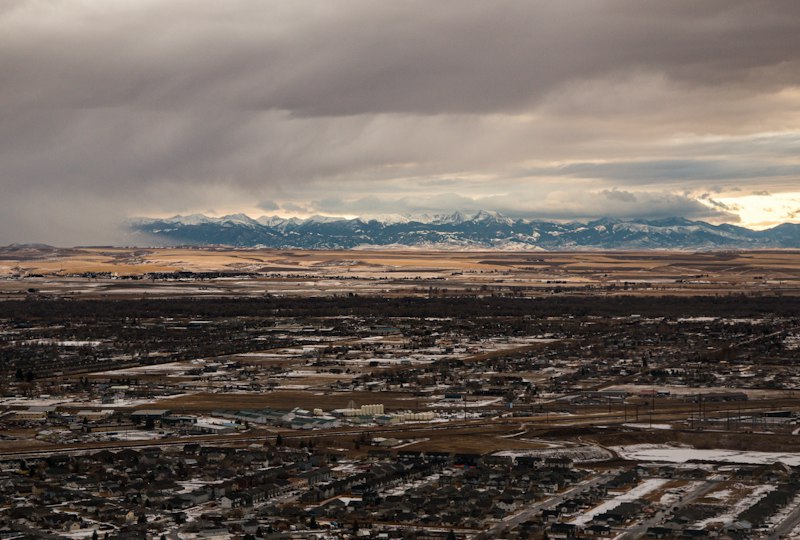 Renewal District
The corridor itself — new-build apartments and condos rising among breweries, coffee roasters, and the Midtown tavern scene. New construction means low maintenance loads and predictable operations, and B-2M zoning keeps more permit paths open than the residential districts behind it.
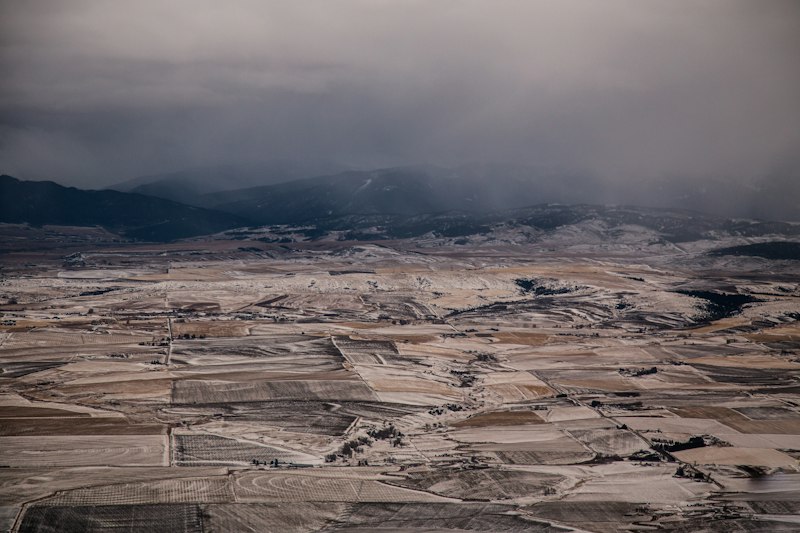 Residential Blocks
The established residential blocks flanking North 7th offer single-family homes at Bozeman’s most accessible price points. Most sit in RA zoning post-2026, which points new operators to the Type 1 house-hack or ADU paths — well suited to owner-occupants building toward a portfolio.
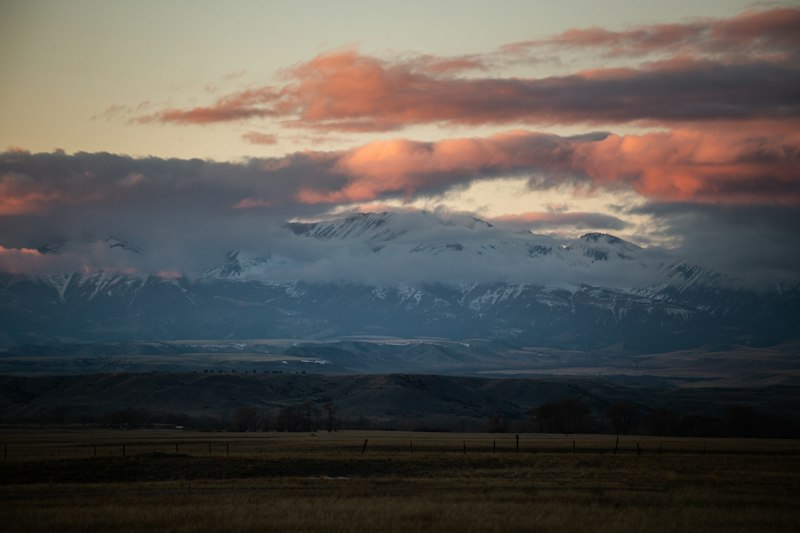 Gateway
The Oak and North 19th interchange area is Bozeman’s arrival corridor: closest to BZN airport, anchored by big-box conveniences, and loaded with newer townhome product. It is the practical choice for guests prioritizing airport access and gear-hauling logistics over nightlife.
Midtown Bozeman STR Performance by Zone
Data anchored to AirDNA and AirROI Bozeman benchmarks (2026). Zone-level figures are Venturebnb estimates; individual property results vary by unit size, configuration, and management quality. Comparing areas? See the full Best Areas for Airbnb in Bozeman guide.
| Zone | Avg ADR | Occupancy | Est. Monthly Revenue | Demand Driver |
|---|---|---|---|---|
| North 7th Corridor | $260–$340 | 62–70% | $4,300–$5,200 | New builds, breweries, renewal district |
| Westlake & Midtown Residential | $240–$310 | 58–68% | $3,800–$4,700 | Entry pricing, house-hack potential |
| Oak Street & North 19th | $250–$320 | 60–68% | $4,000–$4,800 | Airport access, newer townhomes |
| Bozeman Market Average | $260–$305 | 55–65% | $3,600–$4,500 | Mixed city-wide |
Find Your Fit in Midtown Bozeman
Midtown Bozeman suits a range of investor objectives. Here is how different strategies map to the area.
The High-ADR Maximiser
Focused on top-line revenue per night. North 7th Corridor is the target: the strongest nightly rates in Midtown Bozeman, peak-season surge pricing, and guests who expect (and pay for) a premium experience.
The Steady-Yield Seeker
Wants consistent occupancy and predictable cash flow over cyclical peaks. Oak Street & North 19th delivers the steadiest booking calendar in Midtown Bozeman, smoothing the seasonal swings that define Montana markets.
The Value-Add Investor
Targeting below-market entry prices with upside via renovation and management optimisation. Westlake & Midtown Residential offers the most accessible acquisition costs in Midtown Bozeman with clear room to push revenue.
The Ski-Season Specialist
Builds the year around winter. Oak Street & North 19th (Bridger route) captures Bozeman’s ski demand — Big Sky and Bridger Bowl money — with powder-week pricing that behaves like event nights in a city market.
The House-Hacker
Lives in the property and rents legally under Bozeman’s primary-residence rules — rooms (Type 1) or an ADU (Type 2B). Westlake & Midtown Residential is where that strategy earns most per square foot.
The Portfolio Diversifier
Adding a Mountain-West asset to an existing STR portfolio. North 7th Corridor pairs durable two-season demand with the supply constraints that protect long-run rates in the Bozeman market.
How We Maximise Midtown Bozeman Revenue
Three integrated systems, built for Bozeman’s double-peaked, compliance-heavy STR calendar.
Season-Driven Dynamic Pricing
Our pricing engine tracks the whole Bozeman demand stack in real time — Big Sky and Bridger Bowl snow reports, Yellowstone season openings, MSU’s event calendar, and BZN flight loads — and updates rates daily, sometimes multiple times per day. Powder weeks, graduation, and summer park season each behave differently; most self-managed owners leave 20 to 30 percent of peak-season revenue on the table by adjusting too slowly.
Bozeman-Local Operations Team
Every check-in, maintenance call, and 2 a.m. hot-tub question is handled by a team physically based in Bozeman. We know which plow contractor actually shows up before a powder-day checkout, which cleaning crews can turn a canyon home between back-to-back ski weeks, and how to run properties through minus-twenty cold snaps without frozen-pipe surprises.
Compliance-First Listing Management
In the tightest regulatory market in the Mountain West, compliance is a revenue strategy. We manage the full stack — city permit renewals and fire-inspection cycles, primary-residence certifications, state and county registrations, resort-tax filings in Big Sky, and the permit numbers your listings are legally required to display — so your rental never risks the lapsed-permit trap that permanently ends grandfathered operations.
The Numbers Behind Midtown Bozeman
Key data points from primary industry sources underpinning the Midtown Bozeman STR investment case.
Record BZN Airport Passengers
Bozeman Yellowstone International Airport served a record 2,809,419 passengers in 2025, up 6.3% year-over-year — the busiest airport in Montana and the front door for virtually every Big Sky and Yellowstone trip.
One of America’s Fastest-Growing Small Metros
Bozeman has ranked among the fastest-growing micropolitan and small-metro areas in the United States for most of the last decade, compounding housing demand, visitor demand, and long-term appreciation.
Total Lodging Tax — and 0% Sales Tax
Montana charges a combined 8% state lodging tax on stays under 30 nights and no general sales tax. Guests’ all-in price stays lower than in most U.S. markets, which supports stronger headline nightly rates.
Annual City STR Registration
Inside city limits every short-term rental carries a $325 annual registration, a fire inspection current within three years, and an annually re-signed primary-residence certification. We handle the whole cycle for our owners.
Entire-Home Occupancy in Bozeman
Well-run entire-home listings in Bozeman sustain 55–65% annual occupancy across a double-peaked calendar: summer Yellowstone traffic June through September, then ski season December through March.
Record MSU Enrollment
Montana State University enrolled a record 17,165 students in fall 2025. Move-in weekends, graduation, Bobcat football, and campus visits generate reliable, calendar-predictable rental demand all academic year.
Midtown Bozeman Airbnb Permits — What You Need to Know
Midtown splits between the B-2M commercial corridor — where more STR types remain available — and surrounding residential blocks that largely became RA under the February 2026 code, limiting new permits there to host-occupied Type 1 rentals (plus the ADU Type 2B path). Zoning is parcel-specific: two properties a block apart can face entirely different rules, so check the city’s Community Development Viewer before you commit. Here is what every Midtown operator needs to know.
Annual City Registration
Every Bozeman STR carries a $325 annual registration through the city’s STR Permit Portal. Permits renew every year — and the deadline has teeth: a lapsed permit can permanently end a grandfathered or Legacy operation. Fire inspections repeat every three years.
The February 2026 District Change
Bozeman’s new Unified Development Code merged the former RS, R1, and R2 districts into a single RA district where only host-occupied Type 1 rentals are permitted. If a property sits in a former R1/R2 neighborhood, verify its current district before assuming anything.
Type 1, 2A, and 2B
Type 1: rent rooms in your home while you live there. Type 2A: rent your whole primary residence while you’re away. Type 2B: rent an ADU on your lot or one unit in your building. All three require the home to be your primary residence — the ADU path (2B) is the main income route left for new operators.
The Primary-Residence Rule
Every new permit type requires the home to be your primary residence, occupied at least 70% of the calendar year, certified on a city form annually — not once. This single rule is what ended investor-style STRs inside Bozeman city limits.
Montana Lodging Taxes
Stays under 30 nights collect a combined 8% in state lodging taxes, registered and filed through the Montana Department of Revenue. Bozeman adds no city lodging tax, and Montana has no general sales tax — guests’ all-in pricing stays competitive.
Type 3 & the Legacy Trap
New non-owner-occupied (Type 3) permits have been banned citywide since December 2023. Existing ones survive only as “Legacy Type 3” — and Legacy status does not transfer when a property sells. A “turnkey Airbnb” listing whose permit dies at closing is the most expensive trap in this market.
Find Out What Your Midtown Bozeman
Property Can Earn.
Our Bozeman team will prepare a free, property-specific revenue estimate based on your unit’s location, size, and configuration — no obligation, no sales pressure. Just the numbers.
Research & Data References
Research & Data References
Midtown Bozeman Airbnb Investment Guide, Last reviewed August 2026
- 1.City of Bozeman — Short-Term Rental ProgramOfficial source for Bozeman STR permit types (Type 1, 2A, 2B, Legacy Type 3), the $325 annual registration fee, the February 2026 Unified Development Code and RA district rules, primary-residence certification, and the permit application process. bozemanmt.gov
- 2.Montana Department of Revenue — Lodging TaxesRegistration and filing authority for the combined 8% Montana lodging facility use and lodging sales taxes collected on stays under 30 nights, and for Sales and Use Tax permits (account IDs ending in “LFT”). mtrevenue.gov
- 3.AirDNA MarketMinder — Bozeman, MTShort-term rental market intelligence for Bozeman: average daily rate, occupancy, and revenue benchmarks across active Airbnb and Vrbo listings. airdna.co
- 4.AirROI — Bozeman Market ReportIndependent STR data platform reporting Bozeman listing counts, ADR, occupancy, and average annual host revenue (trailing twelve months). airroi.com
- 5.Bozeman Yellowstone International Airport — 2025 Year-End ReportOfficial passenger statistics: a record 2,809,419 passengers served in 2025, up 6.3% over 2024 — the busiest airport in Montana and the primary air gateway to Big Sky and Yellowstone. bozemanairport.com
- 6.Montana State University — Enrollment NewsMSU enrolled a record 17,165 students in fall 2025, the largest university in the four-state region spanning Montana, Wyoming, and the Dakotas. montana.edu